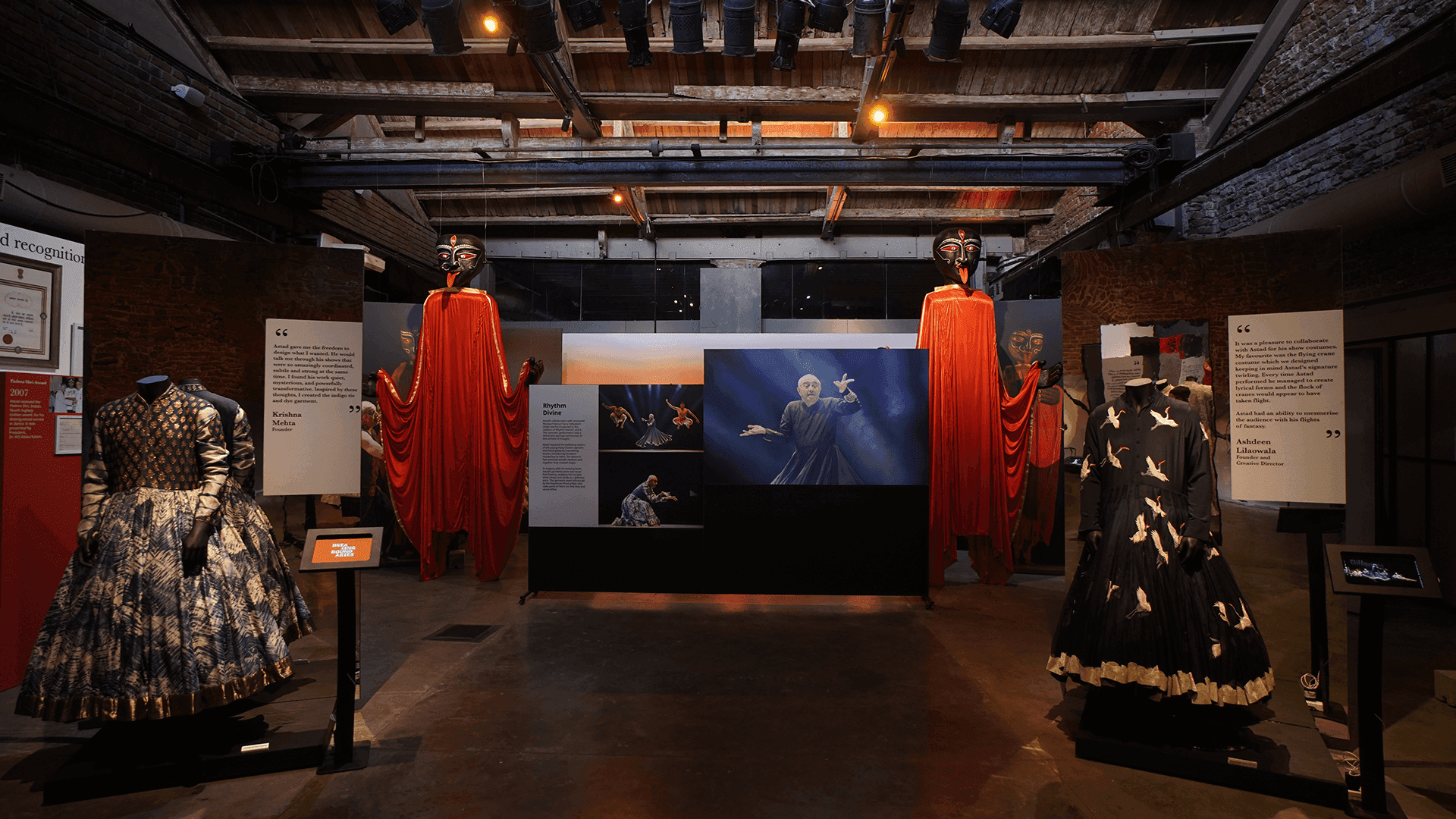
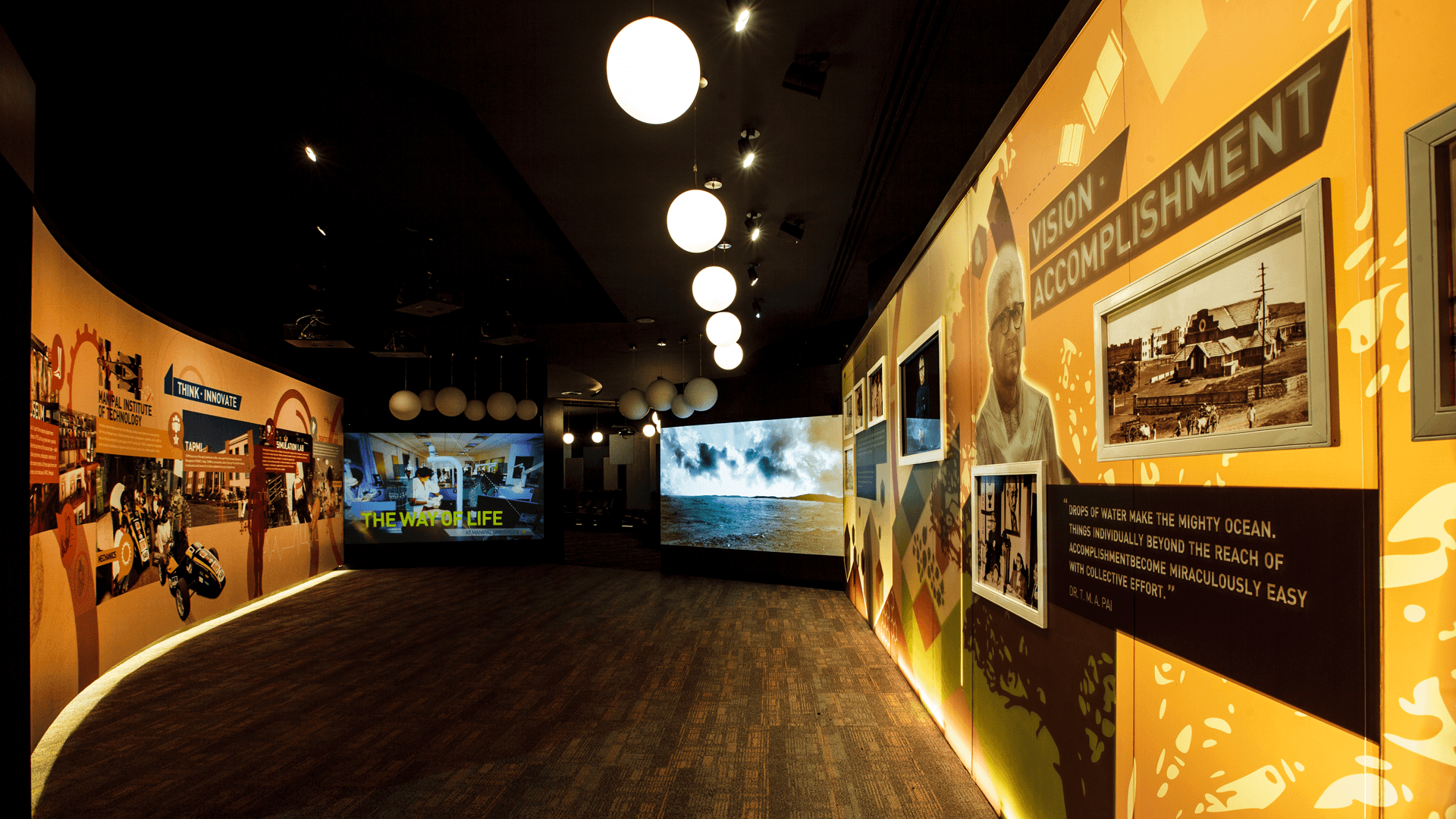
By using spatial storytelling and a point-of-view driven narrative the museum strengthens public understanding, institutional credibility and long-term educational value.
Tata Institute of Fundamental Research
Cross-Sectoral
Brand Experience
Visitor Experience Centers
Museums & Exhibit Design
Display Structures
Lighting Strategy & Design
Environment Graphics
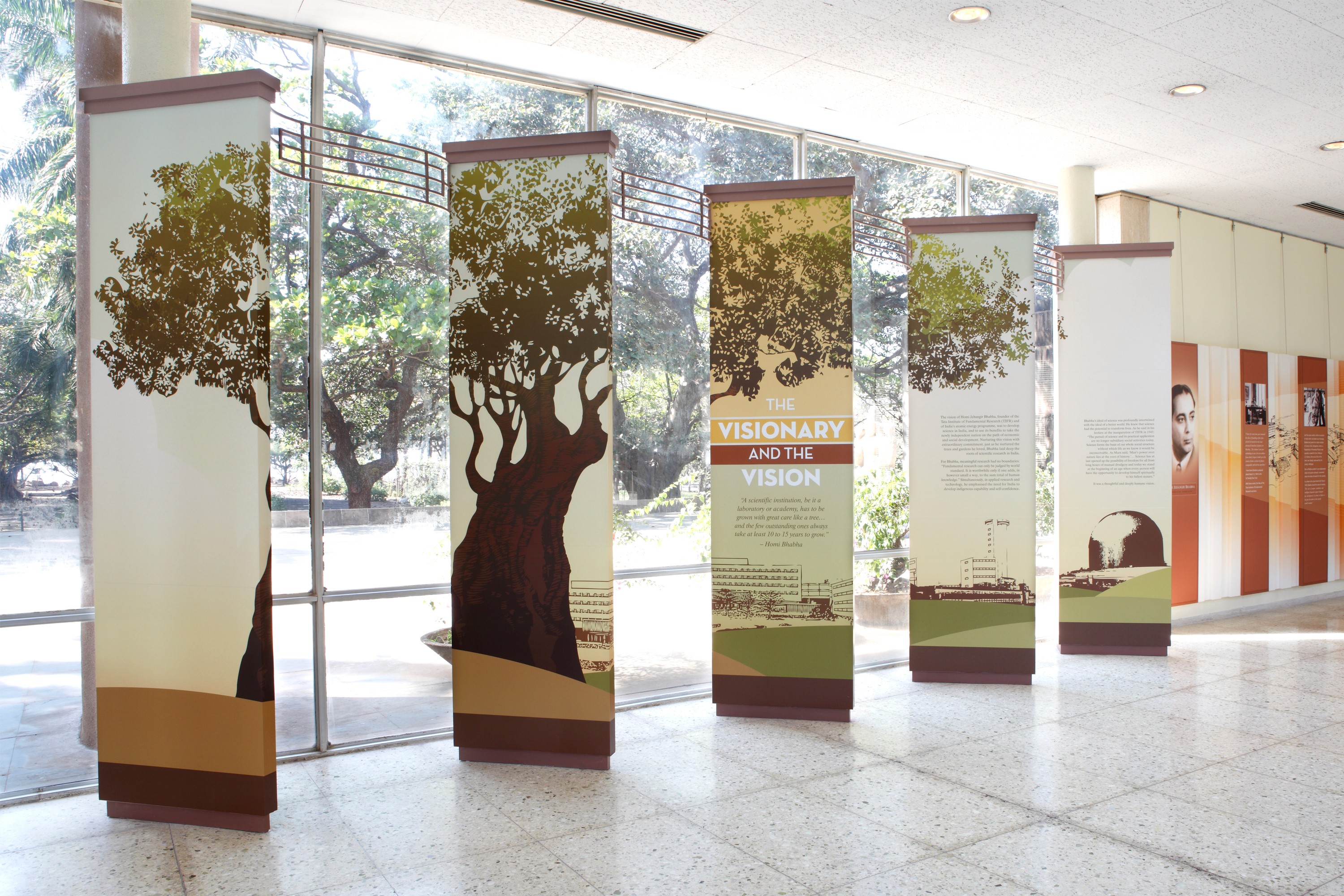
The Tata Institute of Fundamental Research set out to create a dedicated museum to honour the life and legacy of Homi Bhabha, the founder of TIFR and a central figure in India’s scientific history. Their ambition was to impress upon the public perception that role of his vision in setting up an enduring institution of national significance.
The institution sought to
■ Celebrate Dr. Homi Bhabha’s scientific contributions
■ Reveal the breadth of his intellectual and cultural pursuits
■ Communicate the values and vision that shaped TIFR
■ Create a public-facing space that reflected the institute’s stature and credibility
This was a sensitive undertaking that required humility, clarity and a deep respect for both the individual and the institution he built.
EuMo was engaged to translate this ambition into a museum experience that would educate and endure.
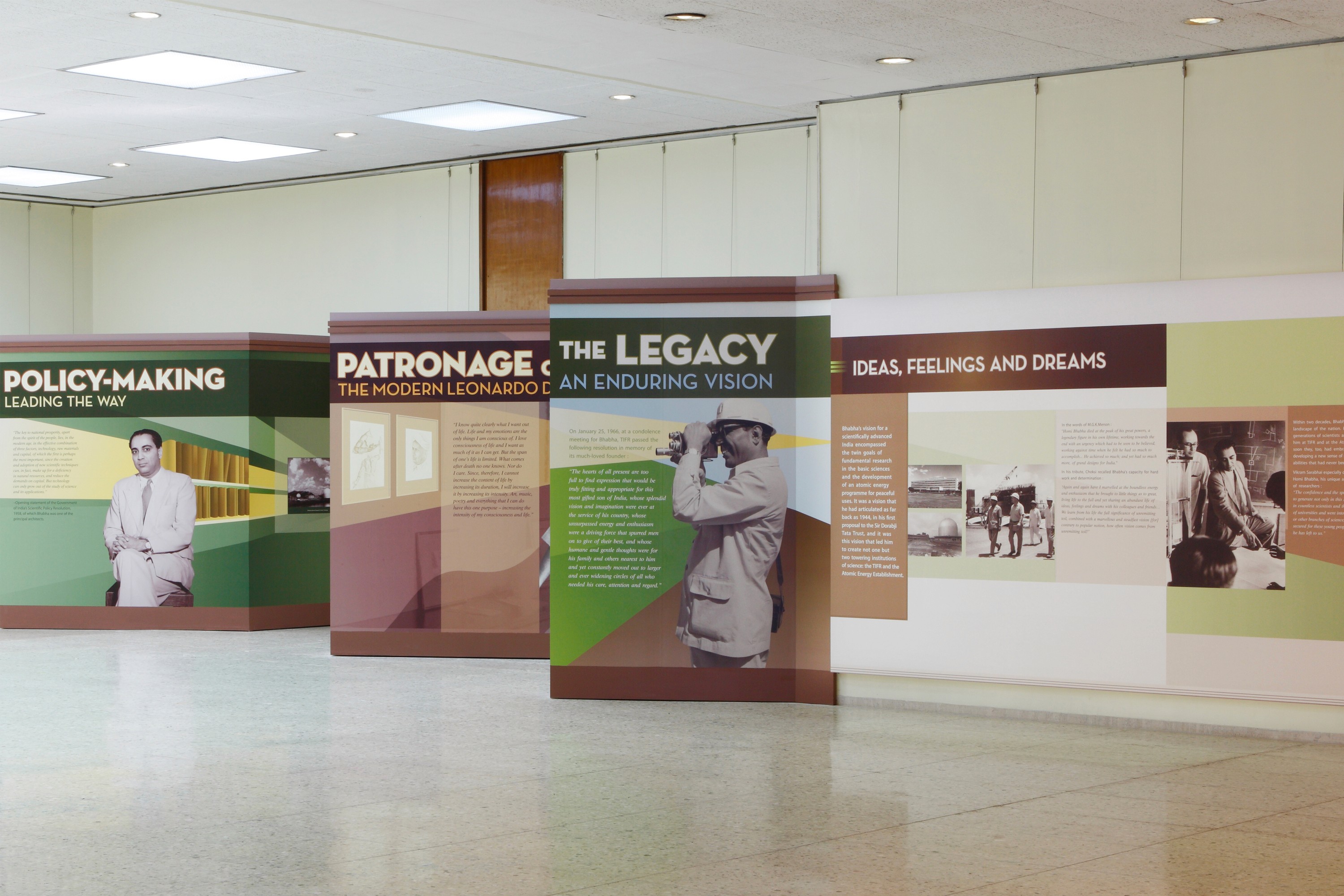
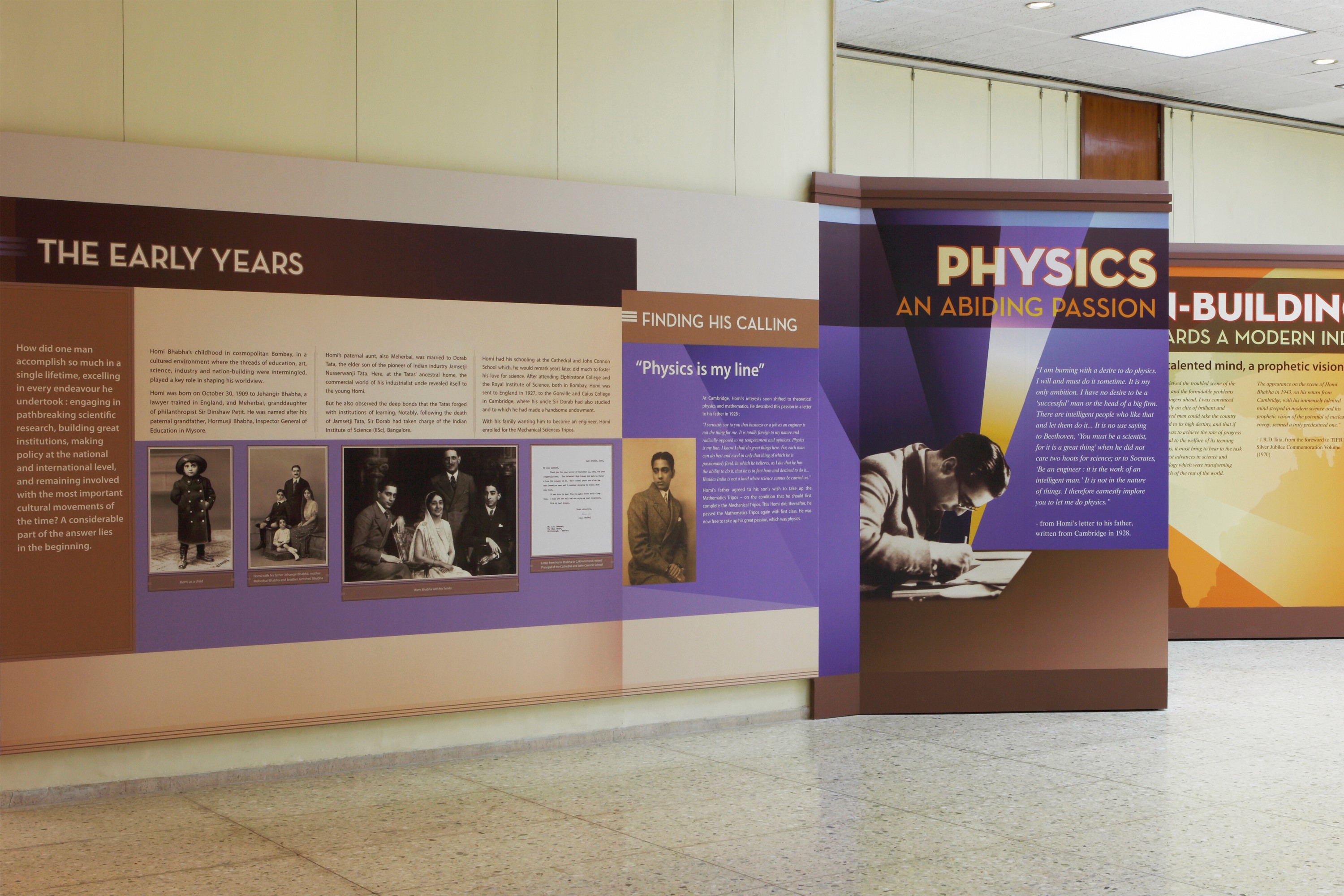
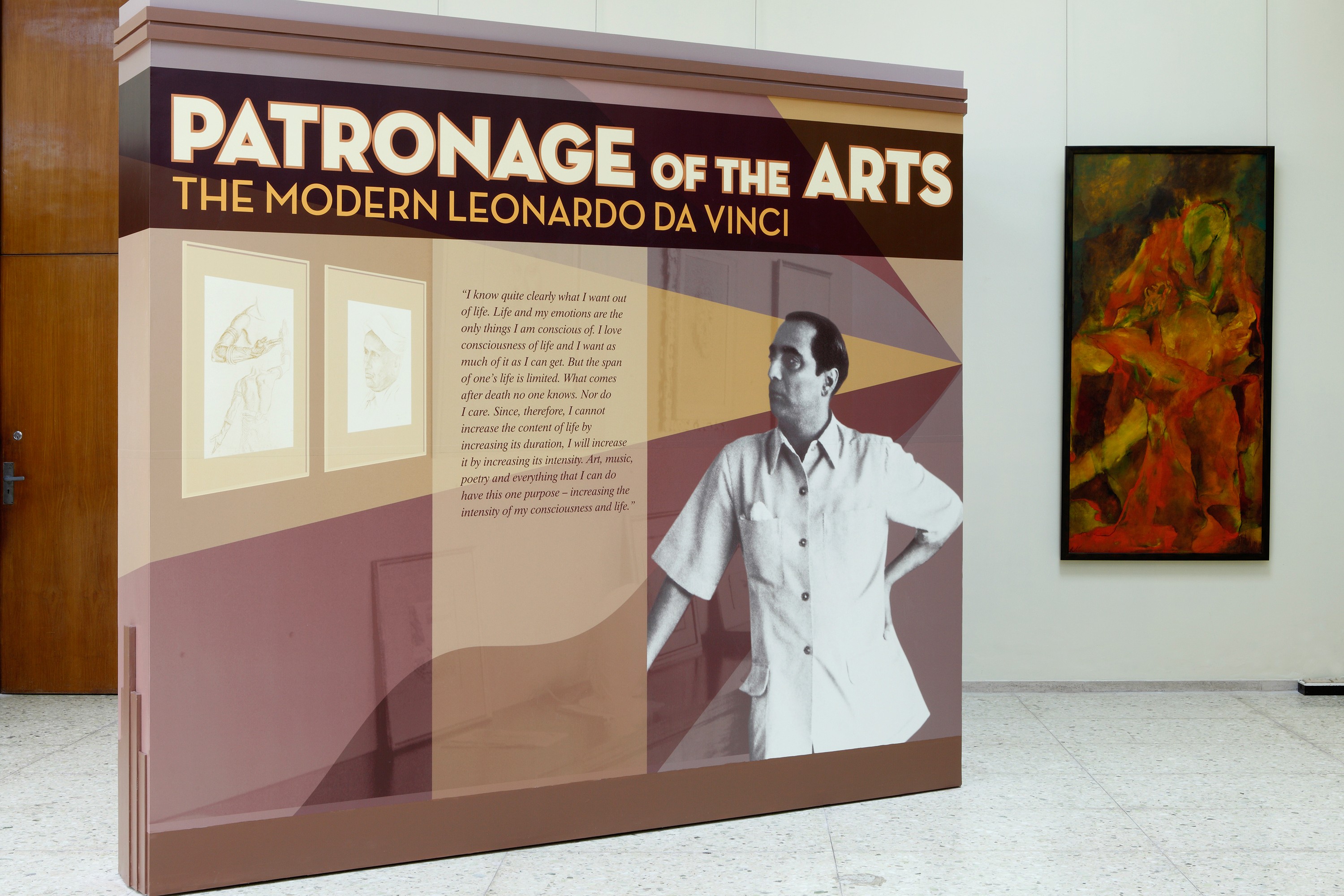
Dr. Homi Bhabha is popularly known as the Father of India’s Nuclear Programme. Far less understood is his identity as a patron of the arts, a cultural thinker and a designer with a refined aesthetic sensibility. Reducing his legacy to a linear scientific timeline would have flattened the very qualities that made him a visionary.
The defining insight was clear
Bhabha’s legacy is best understood through his own perspective.
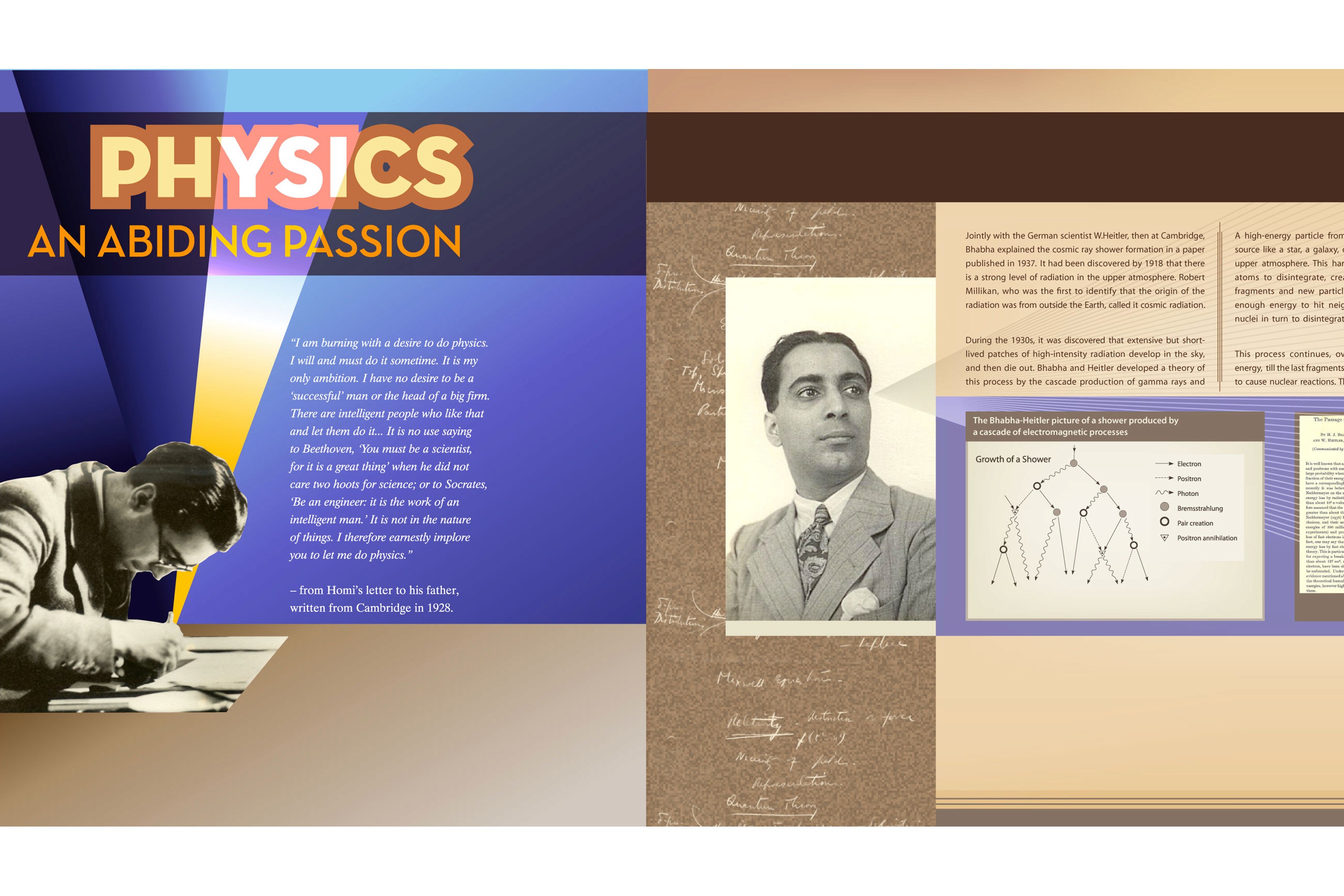
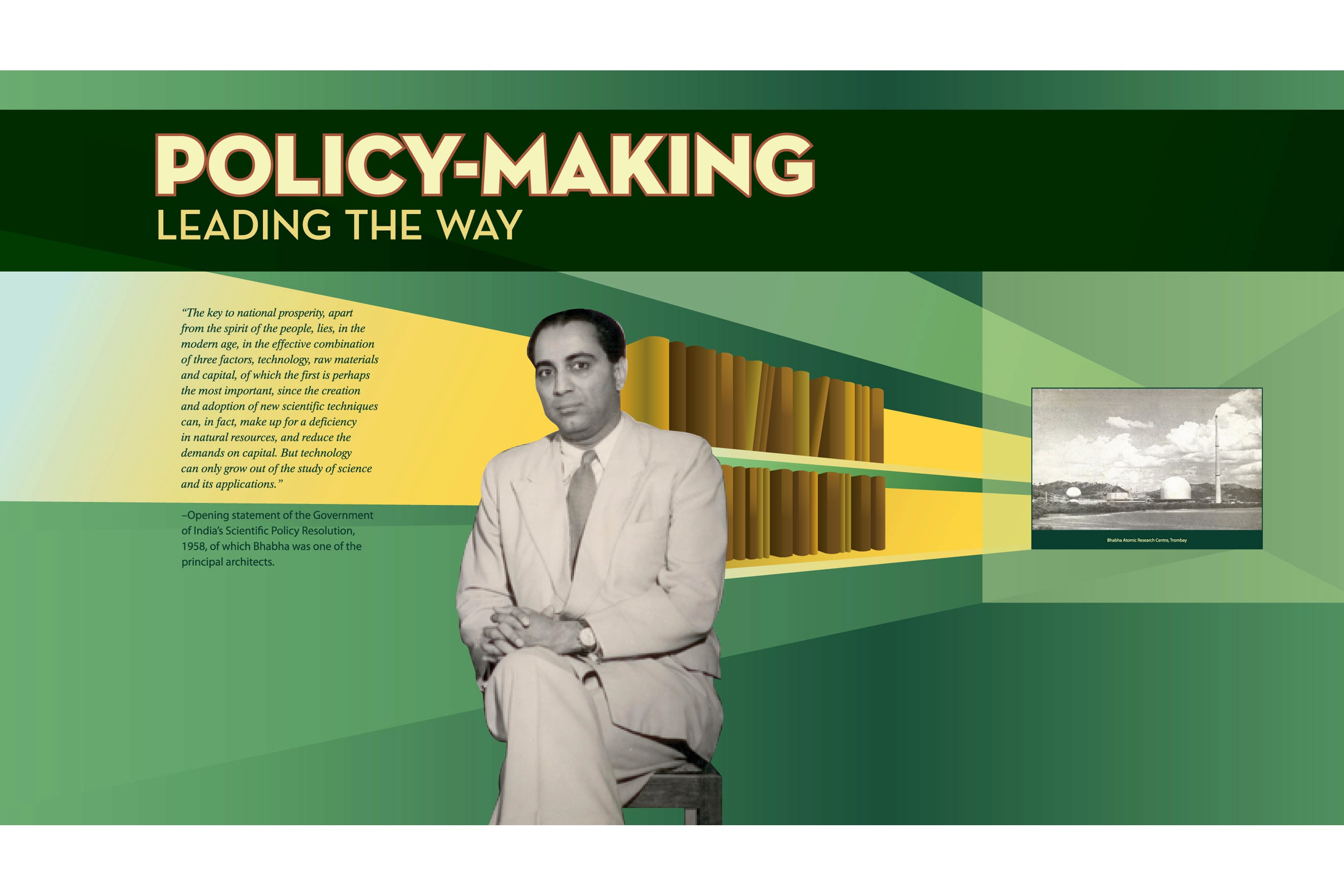
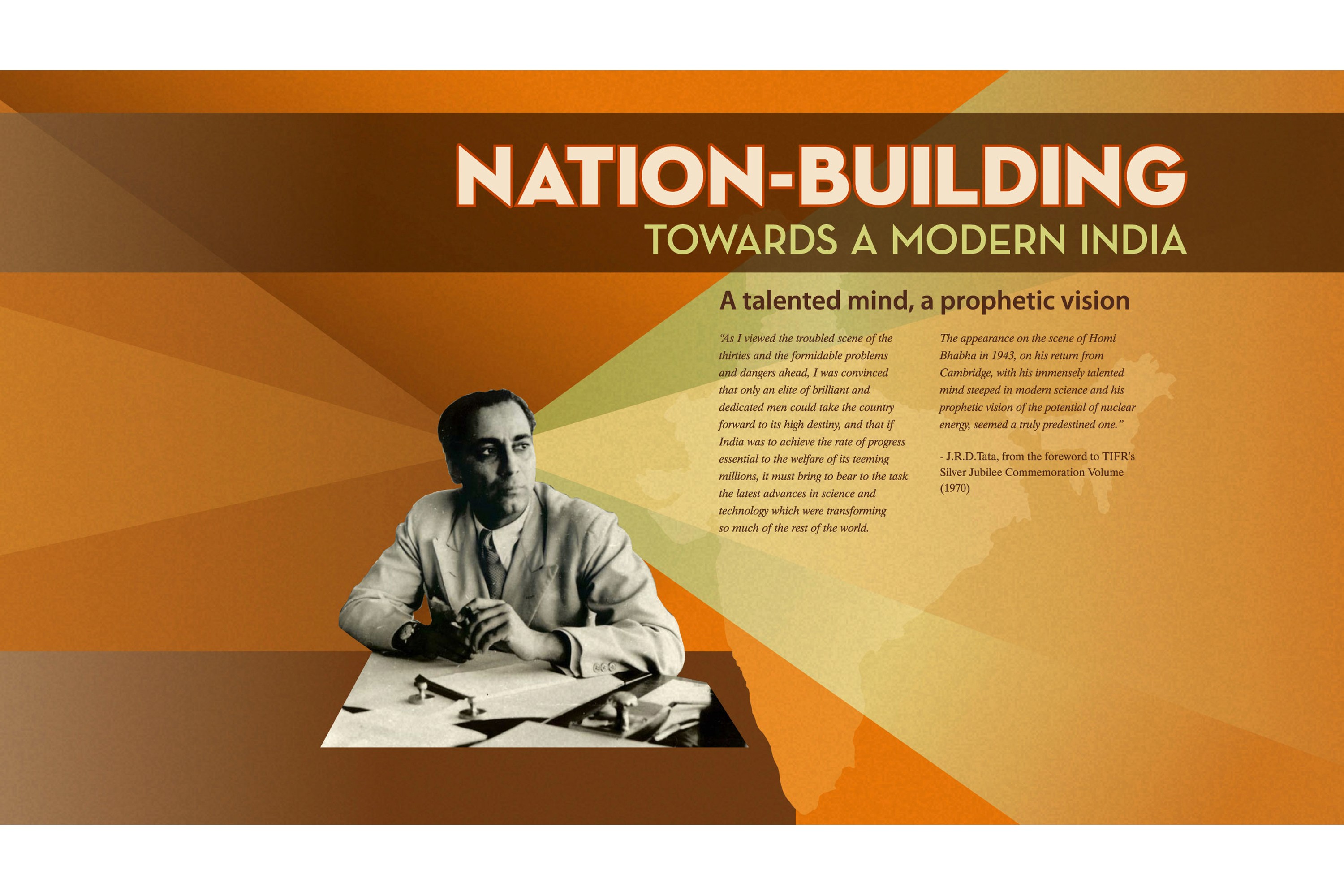
EuMo approached the museum as an experiential narrative shaped by his‘Point of View’. The concept titled The Vision and the Visionary allowed visitors to encounter Bhabha’s life through his own field of vision.
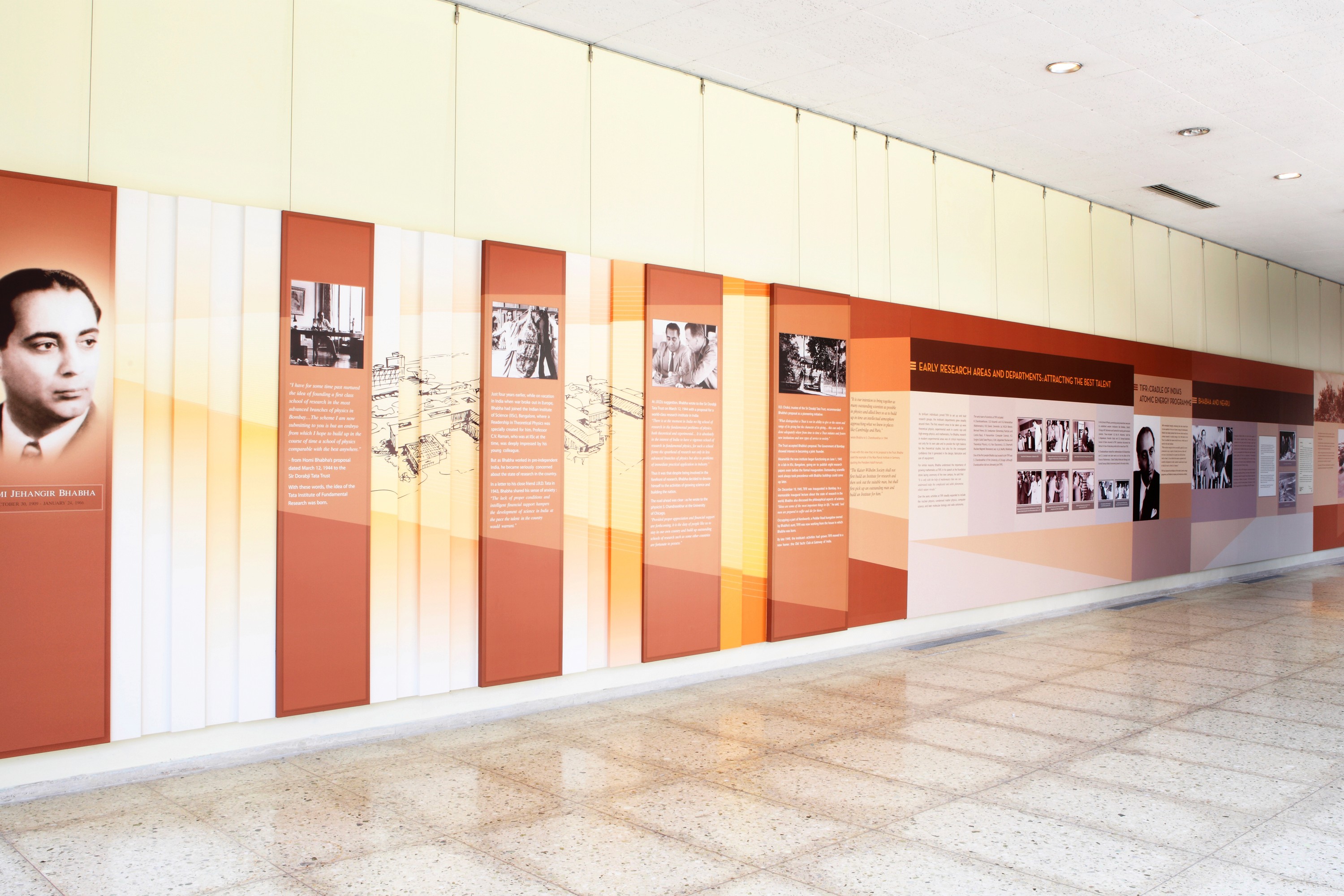
Design Intelligence was applied through
■ A central viewing point from which multiple facets of Bhabha’s personality radiate
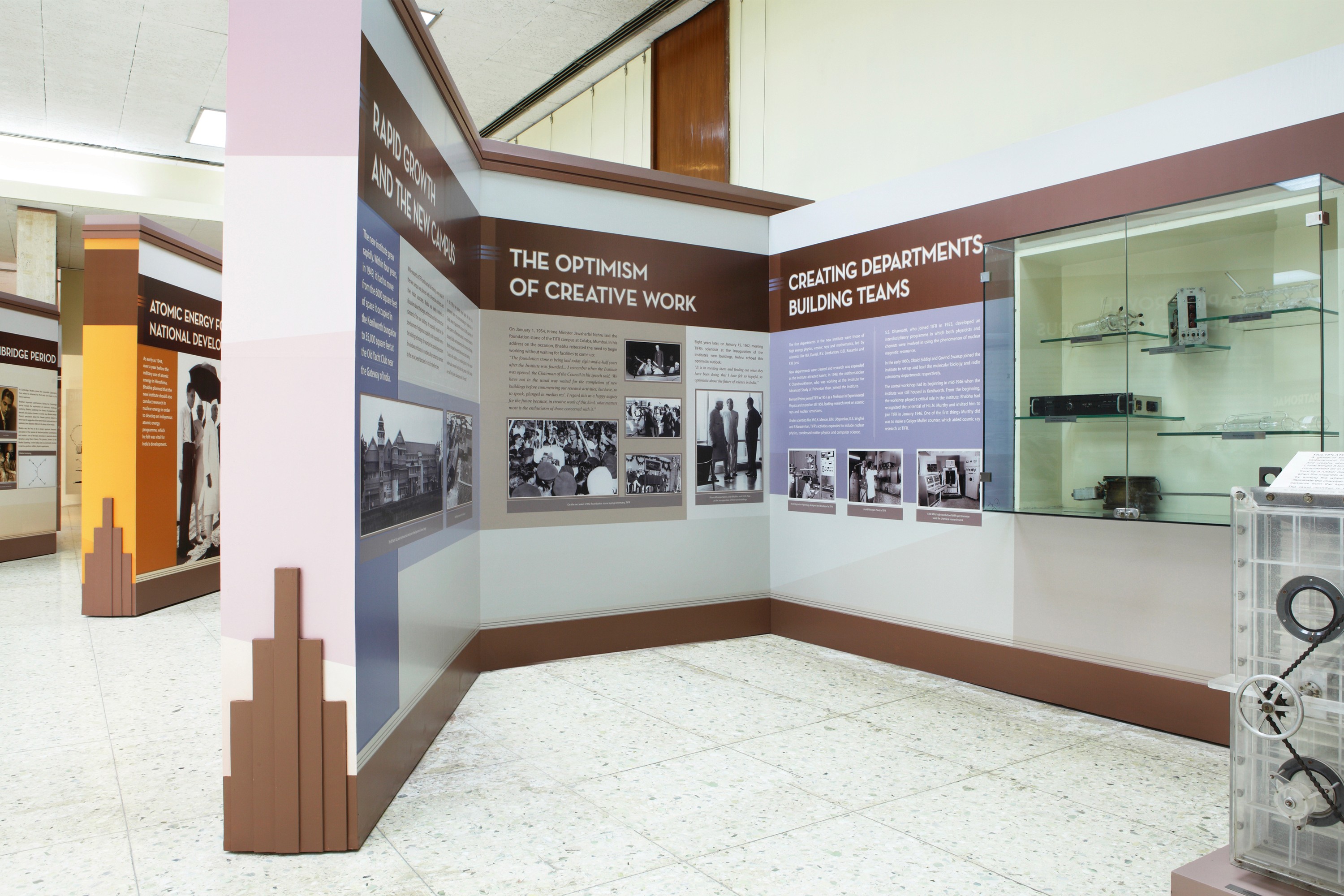
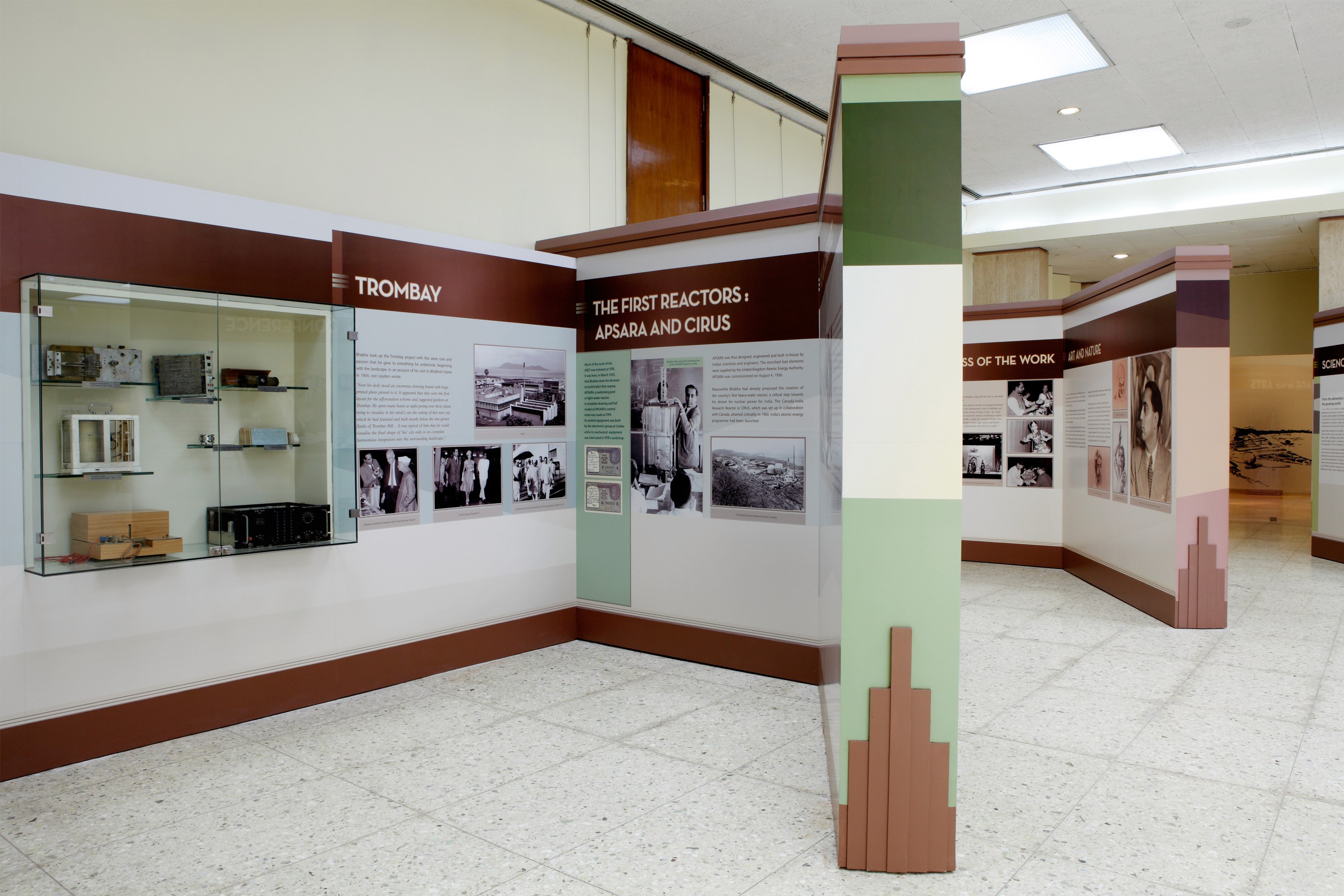
■ Spatial storytelling that connects science, culture, art and institution-building into one coherent experience
■ A narrative structure in which achievements and milestones are woven into thematic zones rather than as isolated facts
■ A graphic and visual language inspired by Art Deco reflecting Bhabha’s era, his taste and design sensibility
By standing at the core of the space visitors could see how Bhabha’s intellect, values and cultural outlook converged to shape TIFR as an institution of global relevance.
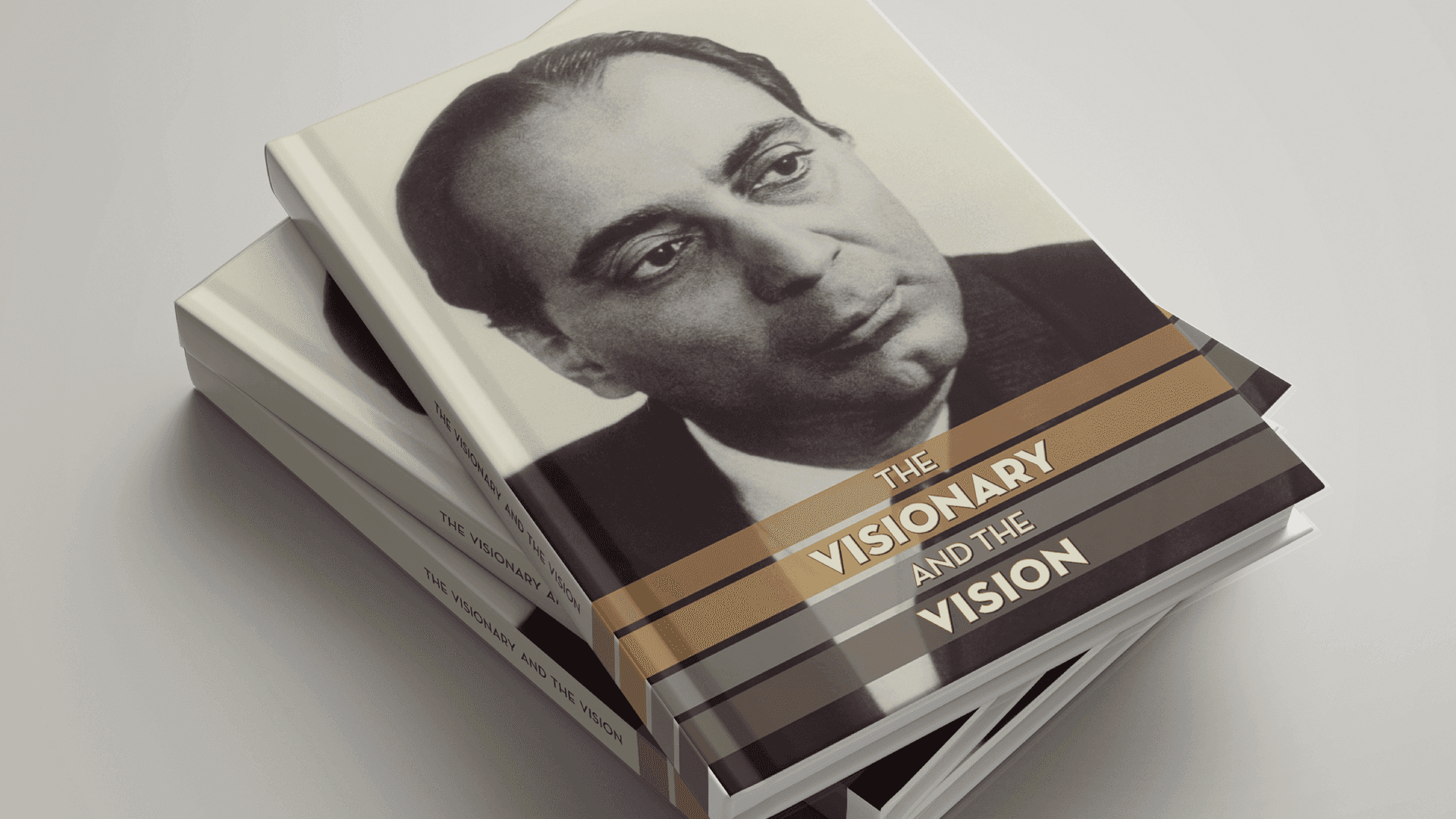
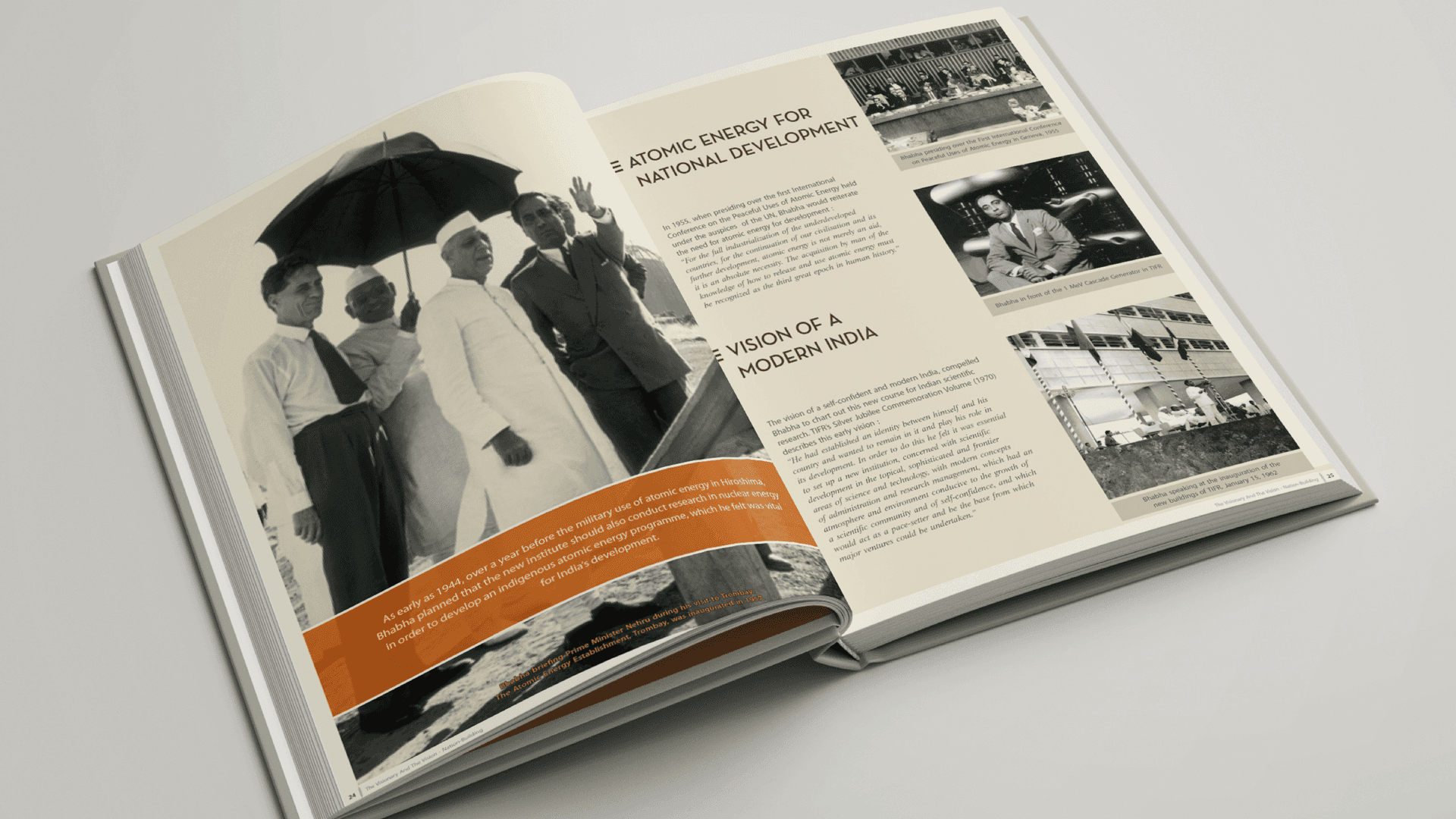
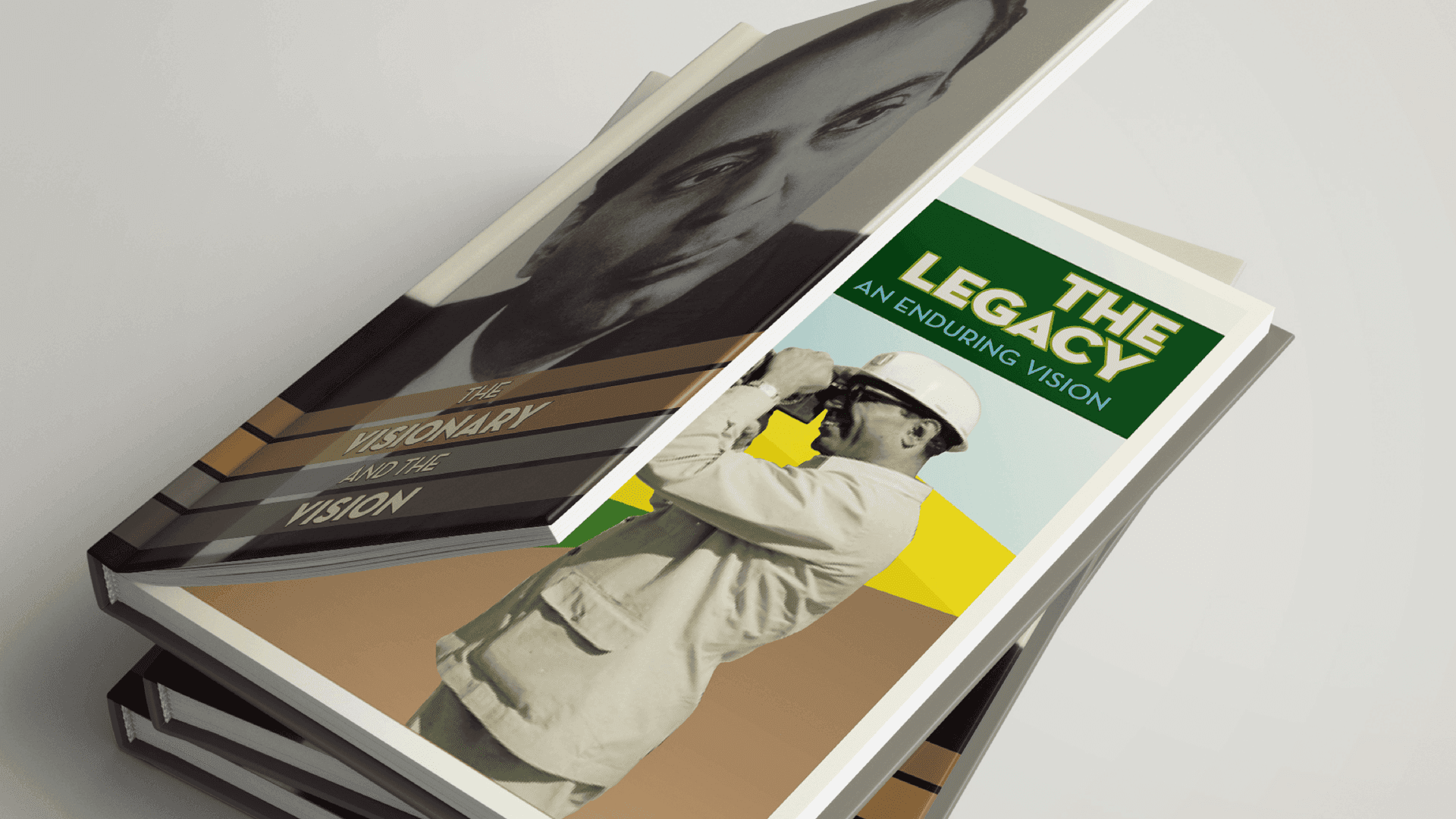
Institutional and Strategic Benefits
■ Stronger public engagement: Visitors gain a more nuanced understanding of Dr. Homi Bhabha and the origins of TIFR which deepens respect and curiosity.
■ Enhanced institutional narrative: The museum articulates TIFR’s founding vision clearly linking scientific excellence with cultural and intellectual openness.
■ Credibility and continuity: By presenting Bhabha as a multi-dimensional visionary the institute reinforces its identity as a place where science, culture and national interest coexist.
■ Enduring educational asset: The experiential structure ensures relevance for students, researchers and international visitors over time.
Why the Investment Mattered
The museum functions a strategic storytelling asset that
■ Strengthens TIFR’s public interface
■ Anchors institutional values in a human narrative
■ Supports education outreach and international perception
■ Preserves legacy while remaining accessible to future generations
Through this project EuMo helped move a scientific institution closer to its ambition of being understood for the vision on which it was founded.